

 Back
Back


 Back to
topics
Back to
topics




Table of Contents
 23-May-2026
Author-David Walter
Have you ever worked on a project that started with a solid plan but quickly became filled with missed deadlines, changing priorities, and confusion? Without clear direction, teams can lose focus and struggle to keep projects moving smoothly. This is why a Project Roadmap is so valuable. It acts as a visual guide that keeps teams aligned, organised, and focused on shared goals throughout the project lifecycle.
From product launches to marketing campaigns, Software Development, and IT upgrades, a roadmap helps simplify complex projects. It clearly outlines goals, milestones, timelines, and priorities so teams always know what comes next. In this blog, you’ll explore what a Project Roadmap is, its benefits, key components, examples, and best practices. Let's get started!
What is a Project Roadmap?
A Project Roadmap is a high-level visual plan that outlines a project’s goals, milestones, deliverables, timelines, and key stages. It helps teams and stakeholders understand the project direction, priorities, and progress throughout the project lifecycle.
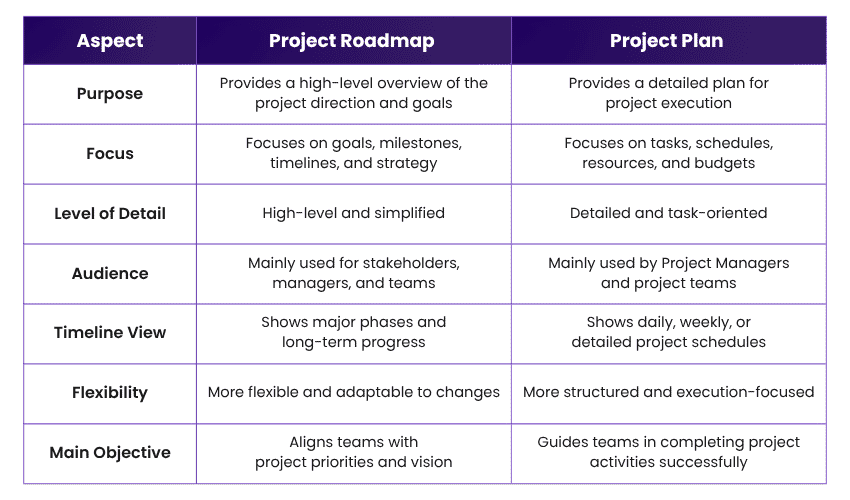
Unlike detailed project plans, a Project Roadmap focuses on the overall strategy rather than daily tasks. It improves communication, supports better decision-making, and ensures teams stay aligned with project objectives.

Why is a Project Roadmap Important?
A Project Roadmap is important because it gives teams and stakeholders a clear overview of project goals, priorities, timelines, and milestones. It helps everyone stay aligned and understand how the project will progress from start to finish.
It also improves communication, supports better decision-making, and helps teams track progress more effectively. By providing a structured direction, a Project Roadmap reduces confusion, improves collaboration, and increases the chances of successful project delivery.
Components of a Project Roadmap
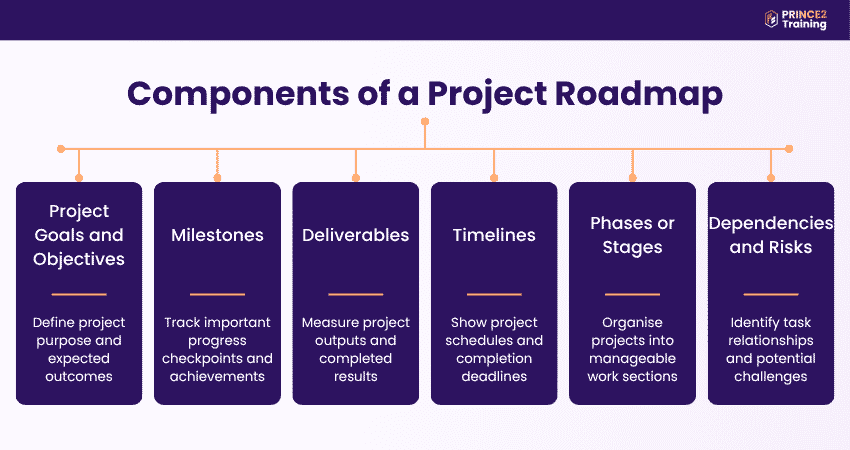
A successful Project Roadmap contains several important components that help teams organise and monitor project activities effectively. These elements provide structure, improve visibility, and ensure alignment with business goals throughout the project lifecycle:
1) Project Goals and Objectives
Project goals and objectives define the purpose and direction of the project. They explain what the project aims to achieve and help teams stay focused on expected outcomes throughout execution. Clear goals also ensure all project activities align with business priorities and stakeholder expectations effectively and consistently.
2) Milestones
Milestones are important checkpoints that show progress throughout the project lifecycle. They help teams track achievements such as completing a project phase, receiving approvals, or finishing major tasks. Milestones also improve visibility and keep stakeholders informed about project progress.
3) Deliverables
Deliverables are the measurable outputs or results produced during a project. These can include reports, software features, prototypes, or completed services. Clearly defined deliverables help teams understand expectations and ensure work is completed successfully at each stage.
4) Timelines
Timelines provide a high-level overview of the project schedule and expected completion dates. They help teams understand when milestones, tasks, and phases should be completed across the entire project lifecycle. A realistic and well-structured timeline improves planning, coordination, and overall project efficiency across teams and stakeholders.
5) Phases or Stages
Projects are typically divided into phases such as planning, design, execution, and closure. This structured approach makes complex projects easier to manage. Breaking work into stages helps teams focus on specific objectives, improves organisation, and ensures smoother progression throughout the project lifecycle.
6) Dependencies and Risks
Dependencies show how certain tasks rely on the completion of other activities before work can continue. Risks identify potential challenges that may affect project progress, such as delays, budget issues, or resource shortages. Including these elements helps teams prepare for obstacles and reduce project disruptions.
Strengthen Agile project coordination and collaboration with the
PRINCE2 Agile® Foundation Training
– Sign up now!
How to Create a Project Roadmap?
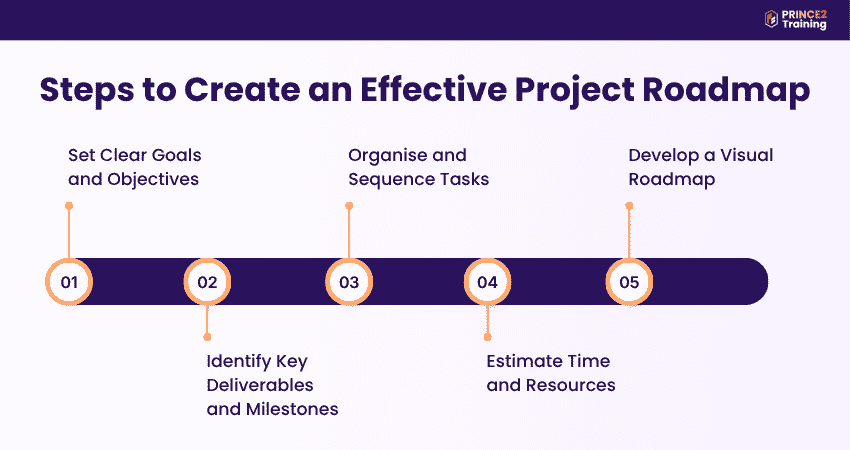
Creating a successful Project Roadmap requires careful planning, collaboration, and clear communication. To build an effective roadmap, organisations should follow a few important steps that improve project visibility, coordination, and execution.
1) Set Clear Goals and Objectives
The first step in creating a Project Roadmap is defining clear goals and objectives. These goals explain what the project aims to achieve and provide direction for all project activities. Well-defined objectives help teams stay focused, align tasks with business priorities, and establish measurable success criteria throughout the project lifecycle.
2) Identify Key Deliverables and Milestones
After setting goals, the next step is identifying important deliverables and milestones. Deliverables are the expected outputs of the project, while milestones act as checkpoints that track major progress. Clearly defining these elements improves accountability, supports performance tracking, and keeps stakeholders informed at every stage.
3) Organise and Sequence Tasks
Organising and sequencing tasks helps teams understand the correct order of activities within the project. This process identifies dependencies between tasks and ensures work flows smoothly from one stage to another. Proper task sequencing improves coordination, reduces delays, and supports efficient project execution across teams.
4) Estimate Time and Resources
Estimating time and resources helps Project Managers determine how much effort, budget, and manpower are needed for the project. Accurate estimates improve planning and reduce the risk of missed deadlines or resource shortages. This step also helps organisations allocate resources more efficiently throughout the project lifecycle.
5) Develop a Visual Roadmap
The final step is creating a visual roadmap that presents project goals, milestones, timelines, and phases clearly. A visual roadmap makes complex project information easier to understand and communicate. It also helps stakeholders track progress, identify priorities, and support better decision-making throughout the project.
Examples of Project Roadmaps
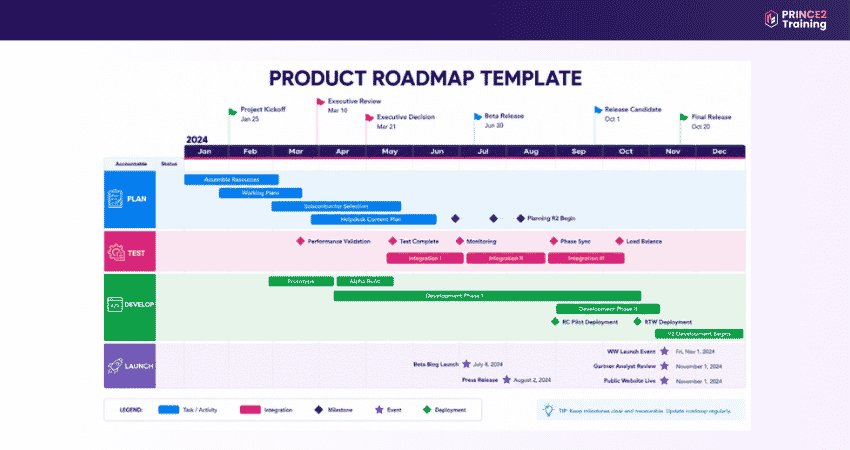
Project Roadmaps help organisations organise tasks, track milestones, and manage project progress effectively. Below are some common Project Roadmap examples used across different industries:
1) Product Development Roadmap
A Product Development roadmap outlines the stages involved in creating and launching a new product. It may include phases such as concept research, product design, prototyping, development, testing, and final launch.
2) IT Infrastructure Upgrade Roadmap
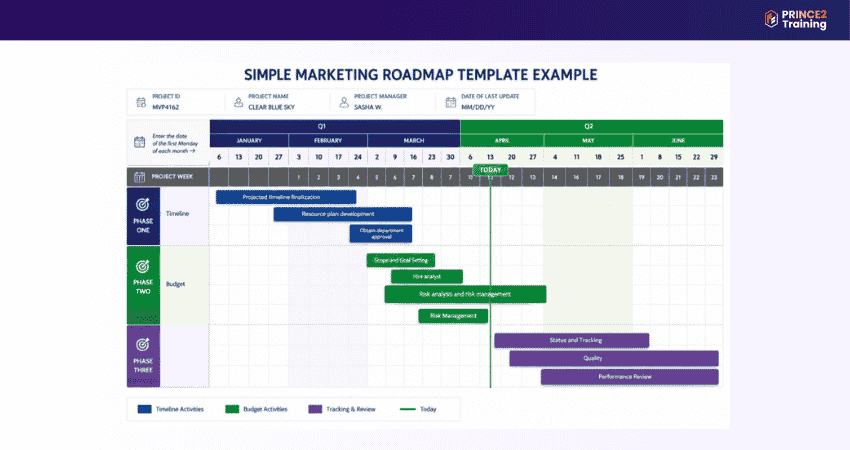
3) Marketing Campaign Roadmap
4) Software Development Roadmap
What are the Benefits of a Project Roadmap?
1) Better Prioritisation of Tasks (Enhanced Focus)
2) Centralised Project Information (Greater Clarity)
3) Improved Milestone Tracking (Lower Risk)
Challenges of a Project Roadmap
Project Roadmaps Best Practices
Project Roadmap vs Project Plan
Conclusion
Frequently Asked Questions?
The purpose of a roadmap is to communicate the strategic direction, goals, and key milestones of a project or product. It helps align stakeholders, prioritise tasks, track progress, and ensure teams understand how their work supports long-term business objectives.
A Project Roadmap should include project goals, milestones, deliverables, timelines, project stages, dependencies, risks, and resource planning information. These elements help teams monitor progress and maintain project alignment.
A Project Roadmap focuses on managing a specific project with defined timelines and deliverables, while a product roadmap focuses on the long-term vision, development strategy, and future enhancements of a product.