
 Back
Back


 Back to
topics
Back to
topics



Table of Contents

 06-Aug-2025
Author-Gary Moore
The Scrum Product Owner stands at the crossroads of strategy, technology and customer value. No longer just a backlog caretaker, this role shapes vision, prioritises outcomes and bridges fast-evolving business needs with agile delivery. As markets accelerate and AI-driven products continue to expand, the expectations placed on Product Owners are also evolving. They must think more sharply, communicate clearer, and decide faster to stay ahead.
Against this backdrop of rapid change, this blog explores the modern roles and responsibilities redefining the Scrum Product Owner and what it takes to succeed in dynamic, customer-centric organisations worldwide today and beyond. So read on and find your path to true product leadership!
What is a Scrum Product Owner?
Within the Scrum framework, the Scrum Product Owner acts as the primary representative of stakeholder interests. This role is commonly filled by someone from Product Management, marketing or an experienced domain expert who understands customer needs, competitors and emerging trends.
The Scrum Product Owner is accountable for maximising the value created by the development team. The way this responsibility is fulfilled can vary across organisations and Scrum teams. A central duty of the role is managing the product backlog, which is the ordered list of features, enhancements, and improvements for the product.
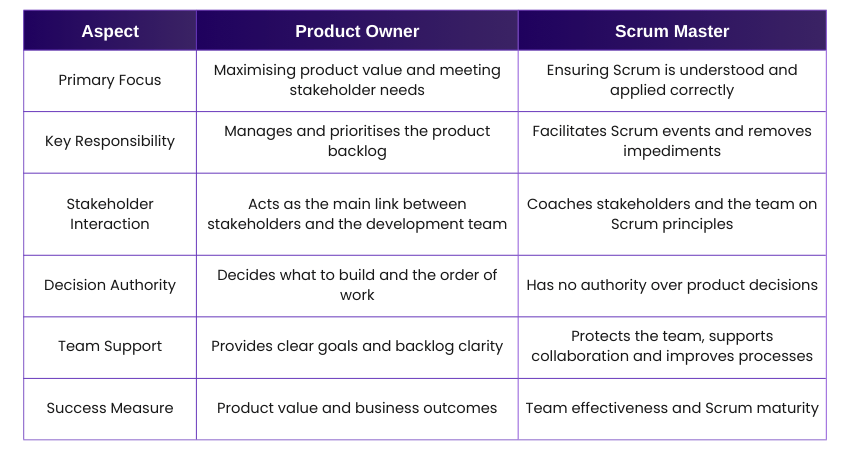
Product Owner vs Scrum Master
Here are the key differences between a Product Owner and a Scrum Master:
Role and Responsibilities of a Scrum Product Owner
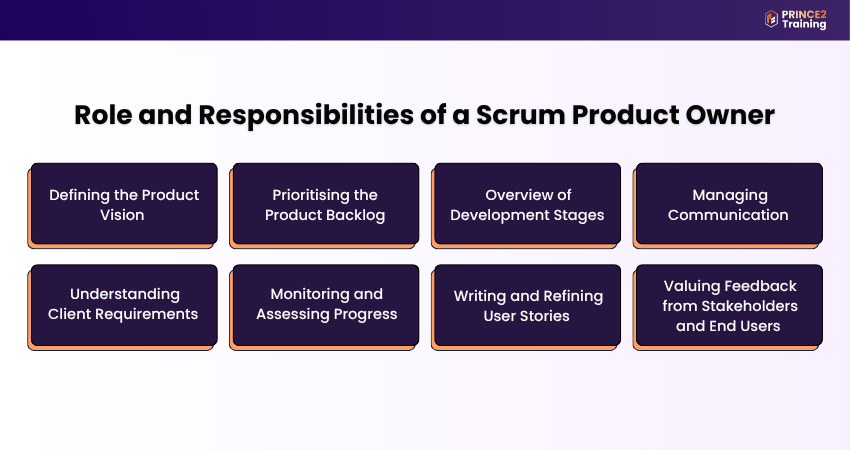
Let’s explore the key roles and responsibilities of a Scrum Product Owner in balancing customer needs with business goals while driving meaningful product outcomes.
1) Defining the Product Vision
The Scrum Product Owner is responsible for creating a clear plan for the product. This is called the “product vision,” and it details the summary of goals and visions. It explains what the product is, who it is for, and why it matters. Everyone on the team needs to understand this vision. This further leads your team and helps them stay focused.
2) Prioritising the Product Backlog
The product backlog is a list of things the team needs to do. The Scrum Product Owner decides which items are most important. They move the most important ones to the top of the list. This helps the team work on the things that need to be delivered first, which saves time and brings value faster.
3) Overview of Development Stages
While the Scrum Product Owner doesn't oversee every development stage, they should stay informed and involved throughout key phases - planning, building, testing, and releasing. This helps ensure alignment with the product vision and supports effective communication with the team and stakeholders.
4) Managing Communication
When you become a Scrum Product Owner, you will work with several people, like Developers, Scrum Masters, stakeholders, and end users. So, you must explain things clearly to avoid any confusion. You also need to listen carefully, answer questions and give updates. Good communication helps everyone work well together.
5) Understanding Client Requirements
You must be in constant contact with users, customers, and other stakeholders to find out what users and customers need. For that, you can ask questions, watch how people use the product, and listen to feedback. Then, work on turning this information into clear tasks for the team to work on.
6) Monitoring and Assessing Progress
As a key decision-maker, the Scrum Product Owner tracks the progress of work and participates in events like Sprint Planning and Reviews. This helps them provide updates, adjust plans and keep the team aligned with overarching goals.
7) Writing and Refining User Stories
User stories explain what the user wants and why, which focuses on the end-user perspective. You can write simple stories so that your team can understand what exactly to build. Each story should be small, clear, and have details about how to test it. They keep improving these stories with help from the team.
8) Valuing Feedback from Stakeholders and End Users
A good Scrum Product Owner listens carefully to feedback from users and stakeholders. Whether it comes from surveys, user testing, sprint reviews, or direct contact, feedback is essential for guiding product direction. You need to use this input to update the backlog, change priorities, or refine the vision to make the product more valuable over time.
Turn collaboration into inspiring results with our Scrum Master Certification - Register now and become the catalyst for Agile success!
Essential Skills of a Scrum Product Owner
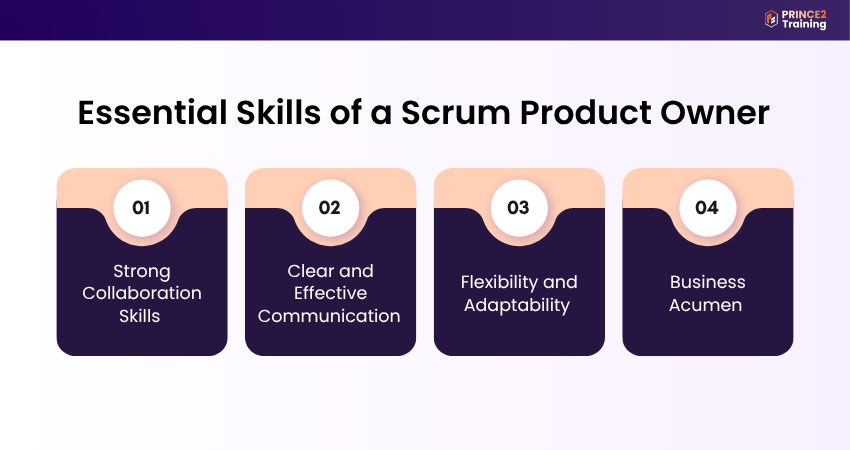
Now that you have a clear understanding of a Scrum Product Owner's roles and responsibilities within a project, let’s explore the skills needed to succeed:
1) Strong Collaboration Skills
When you become a Scrum Product Owner, you will work with many people, like Developers, Designers, business leaders, customers and more. This creates a significance for you to be friendly, respectful, and a good team player.
Tip:
Have regular short meetings with your team to listen to their ideas and solve problems together.
2) Clear and Effective Communication
Standing as the link between your team and stakeholders, you require strong communication skills. Explain goals, priorities, and decisions in a way that makes sense to both technical and non-technical audiences. It helps avoid mistakes and keeps everyone on track.
Tip:
Use simple words and short sentences when talking to the team or stakeholders, and always ask if they have questions.
3) Flexibility and Adaptability
Things often change in projects. Because requirements can change, priorities can shift, and stakeholders may disagree. So, as a Product Owner, you need to change plans while keeping the product’s long-term goals in mind. This adaptability is critical in Agile environments.
Tip:
Stay calm during changes and help the team stay focused on what’s most important now.
4) Business Acumen
A Product Owner needs to understand how a business works. You should know what customers want, what the market demands, and how the product fits into larger business goals. This helps make smart decisions and product direction.
Tip:
Learn what your customers really want by asking them or watching how they use the product.
Develop teams and improve product quality using Agile delivery principles with our Scrum Developer Training – Sign up soon!
Why is a Product Owner Important?
A Product Owner plays a major role in keeping product development organised and perfectly aligned with business goals. From managing stakeholder feedback to maintaining a clear product backlog, they help bridge the gaps between stakeholders and development teams. Here’s why they are important:
1) Improved Communication Between Stakeholders
The Product Owner acts as the main point of contact between technical teams and non-technical stakeholders. They translate ideas into clear backlog items and facilitate two-way feedback. This improves collaboration, speeds up decision-making and ensures that the priorities reflect real needs.
2) Improved Product Creation Process
By shaping the product vision and gathering insights from stakeholders and users, the Product Owner helps with development decisions. This clear direction keeps the teams focused, even when priorities compete, and ensures consistent progress towards the defined goals.
3) Improved Processes With the Product Backlog
Managing the product backlog helps teams see both short-term and long-term priorities. A well-structured backlog improves planning, organises tasks, supports timely delivery and reduces scope creep by keeping the work focused and transparent.
How to be a Good Scrum Product Owner?
A good Scrum Product Owner does more than just manage a list of tasks. They help the team build the right product by making smart decisions and leading the team toward the company’s goals. Here are some tips for you to become a successful Scrum Product Owner:
1) Know What is Needed:
You should think like a Business Analyst, who knows the market, the strategy, and how the product helps the company grow.
2) Understand Scrum:
You need to have a deep understanding of the Scrum Framework, including your role and responsibilities.
3) Work Closely with the Team:
Be available to the development team. Answer questions, clarify requirements, and remove confusion in the early stages.
4) Prioritise Tasks:
Always aim to deliver the maximum value. Know what to build immediately and what can wait.
5) Be the Voice of the Customer:
Think like a user and always have a user perspective. Ask what they need, how they’ll use the product, and what their pain points are.
6) Stay Curious and Informed:
Learn about your market, competitors, and emerging trends to keep the product relevant.
7) Embrace Feedback:
Listen, learn, and improve the product based on real-world usage and stakeholder input.
8) Balance Stakeholder Needs:
Different groups will have different needs, and your role is to align them with the product vision.
Here are some of the tips that you should never miss:
1) Talk to your users often. Get to know what they love, hate, and need.
2) Know your product inside and out. Study your market and competitors.
3) Use data and feedback. Let facts and real use influence your decisions.
4) Balance stakeholder demands. Listen to all but build what’s best for the product.
Conclusion
A project team may have many voices, but the Scrum Product Owner ensures they speak one language, which is of value. While others focus on how to build, the Product Owner champions what to build and why, they listen deeply, prioritise wisely, and bring clarity to complexity. They are the indirect anchors, balancing user needs, business goals, and technical possibilities. They lead with purpose, shaping every sprint into a step toward meaningful outcomes.
Promote collaboration and improve efficiency in project delivery with our Scrum Master Training – Join now!
Frequently Asked Questions?
The five levels of a Product Owner are Scribe, Proxy, Business Representative, Sponsor, and Entrepreneur. These levels reflect increasing responsibility, decision-making power, and strategic influence, driving product vision and business outcomes.
No, both are different roles. The Product Owner focuses on maximising product value and managing the product backlog. The Scrum Master, on the other hand, focuses on the team, ensuring the Scrum process is followed and the team works efficiently.
Both roles are essential in Scrum. The Scrum Master supports team performance and ensures the process runs smoothly, while the Product Owner drives product vision and value. Your ideal role depends on your strengths, facilitation and coaching, or strategic planning and decision-making. Each offers unique challenges and rewards.