

 Back
Back


 Back to
topics
Back to
topics




Table of Contents
 04-Apr-2026
Author-Maria Thompson
Ever wondered who keeps a project running smoothly and who takes the lead when things get challenging? If you have come across roles like Project Coordinator and Project Manager, it is easy to get confused. They both work on projects, often side by side, but their responsibilities and impact are quite different.
Understanding the difference between these roles is important, whether you are starting your career or planning your next move. This blog breaks down Project Coordinator vs Project Manager in a simple way, helping you see what each role does and how you can grow in Project Management. Let's explore this in detail!
Table of Contents
1) What is a Project Coordinator?
2) What is a Project Manager?
3) Project Coordinator vs Project Manager
4) Transitioning from Project Coordinator to Project Manager
5) Conclusion
What is a Project Coordinator?
A Project Coordinator is a professional who supports the project team by managing daily operations and ensuring everything runs smoothly. They handle administrative tasks, track project milestones, maintain schedules, and support clear communication between team members and stakeholders to keep the project on track.
Their role focuses on coordination rather than decision-making. They understand the project's goals, timelines, budget, and stakeholders, and act as a link between clients, Project Managers, teams, and external partners to ensure smooth collaboration, clear communication, and timely delivery.

Project Coordinator Duties and Responsibilities
A Project Coordinator ensures projects run smoothly by managing schedules, documentation, and communication. They keep teams organised, aligned, and on track while supporting the Project Manager. Their key duties and responsibilities include:
1) Scheduling and Planning: Creating work schedules, organising meetings, and ensuring deadlines are met.
2) Documentation Management: Maintaining project plans, reports, and records, and keeping all files updated.
3) Communication and Facilitation: Acting as a point of contact between team members, stakeholders, and management, including arranging meetings and sharing updates.
4) Monitoring Progress and Risks: Tracking project tasks, identifying delays or bottlenecks, and supporting Risk Management activities.
5) Resource Coordination: Assisting in organising resources, managing supplies, and ensuring teams have what they need.
6) Administrative Support: Handling tasks such as preparing reports, basic budgeting support, and other operational activities.
What is a Project Manager?
A Project Manager is a professional responsible for leading a project from start to finish. They are involved from the early planning stages and make sure that the project meets its goals, timelines, budget, and performance standards. They define the project plan, set schedules, assign tasks, and monitor progress to ensure successful delivery.
Project Managers lead teams, manage resources, and communicate with stakeholders or clients. They make key decisions, solve problems, and handle risks throughout the project. With strong skills in leadership, communication, planning and organisation, they ensure that all aspects of the project are aligned with business objectives and completed efficiently.
Project Manager Duties and Responsibilities
A Project Manager leads the entire project life cycle, ensuring goals are achieved on time, within budget, and to the required standards. They manage tasks, lead teams, and ensure successful project delivery. Their key duties and responsibilities include:
1) Planning and Defining Scope: Creating detailed project plans, setting clear goals, and defining deliverables.
2) Scheduling and Time Management: Developing timelines, setting deadlines, and tracking milestones.
3) Budgeting and Cost Control: Estimating costs, managing budgets, and monitoring expenses.
4) Resource Management: Assigning tasks and coordinating team members effectively.
5) Risk Management and Problem-solving: Identifying potential risks and resolving issues quickly.
6) Stakeholder Communication: Acting as the main point of contact and providing regular updates.
7) Quality Control: Ensuring deliverables meet required standards and expectations.
Build strong project foundations and apply PRINCE2 skills with confidence. Join for the
PRINCE2® Foundation & Practitioner Training
today!
Project Coordinator vs Project Manager
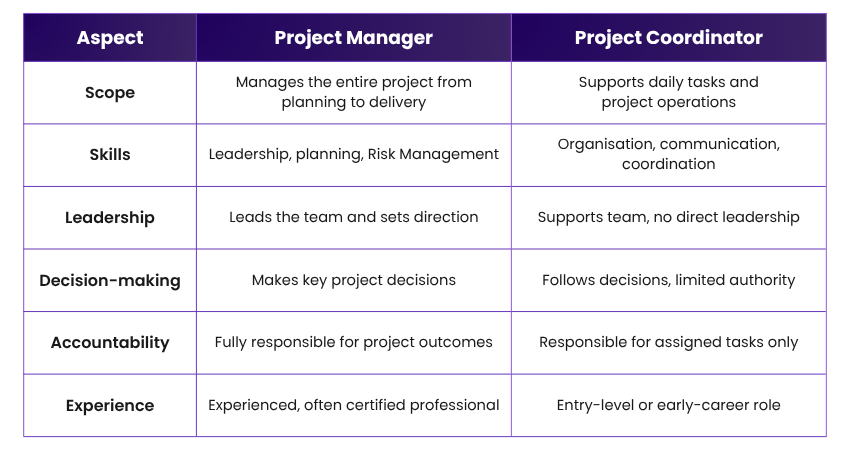
The difference between Project Coordinator and Project Manager lies in their responsibility and authority. While a Project Coordinator supports tasks like scheduling and communication, a Project Manager leads the project and ensures successful delivery. Let's explore the differences in Project Coordinator vs Project Manager below:
1) Project Coordinator vs Project Manager: Scope of Responsibility
A Project Manager oversees an entire project lifecycle, from planning to completion. They define goals, develop strategies, and monitor progress to ensure the project meets its objectives, timelines, and budget requirements effectively.
A Project Coordinator focuses on daily operations, including updating schedules, preparing reports, and supporting team activities. They ensure tasks run smoothly and help maintain organisation throughout the project execution process.
2) Project Coordinator vs Project Manager: Skills
Both roles require strong organisational, communication, and problem-solving skills to manage tasks and ensure coordination across teams. These skills help maintain efficiency and keep project activities aligned with defined timelines.
Project Managers require additional skills such as leadership, strategic planning, and risk analysis. They use these advanced abilities to guide the project, make decisions, and ensure successful outcomes from the early planning stages.
3) Project Coordinator vs Project Manager: Leadership and Management
Project Managers lead the team, set clear expectations, and ensure all members work towards common project goals. They provide direction, resolve issues, and motivate the team to maintain productivity and performance.
Project Coordinators support the process by organising tasks and ensuring team members have the necessary resources. They assist in coordination but do not take direct responsibility for leading or managing the team effectively in practice.
4) Project Coordinator vs Project Manager: Decision-making Power
Project Managers have the authority to make key decisions related to budgets, timelines, and overall project direction. They assess risks, evaluate options, and choose the best approach to ensure project success.
Project Coordinators typically follow these decisions and focus on implementation. They assist in executing plans and may report issues, but they do not have the authority to make major project decisions.
5) Project Coordinator vs Project Manager: Accountability and Ownership
Project Managers are fully accountable for the project's success or failure. They take ownership of outcomes and are responsible for delivering results to stakeholders, clients, and senior management.
Project Coordinators are responsible for completing assigned tasks and supporting project activities. While they contribute to success, they do not hold overall ownership or final accountability for project outcomes.
6) Project Coordinator vs Project Manager: Experience and Expertise Level
Project Managers usually have several years of experience, deeper industry knowledge, and often hold professional certifications. Their expertise enables them to manage complex projects and handle strategic responsibilities efficiently.
Project Coordinators are often in entry-level or early-career roles. They focus on gaining practical experience, understanding project processes, and building skills that help them progress into more advanced Project Management roles.
Apply Agile methods effectively through the advanced PRINCE2 Agile® Practitioner Training – Join today!
Transitioning from Project Coordinator to Project Manager
Transitioning from a Project Coordinator to a Project Manager involves moving from a support role to leading projects and making key decisions. It requires developing skills and gaining experience. Let's explore the key steps below:
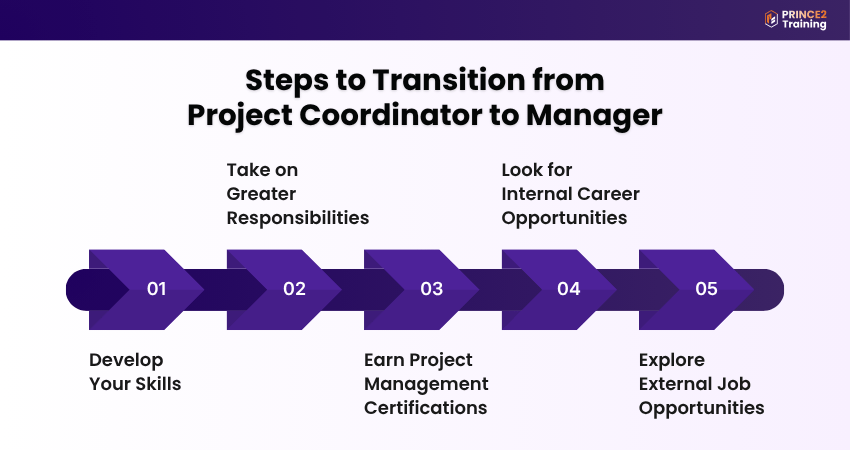
1) Develop Your Skills
To transition into a Project Manager role, focus on improving both technical and soft skills such as communication, leadership, planning, and problem-solving. Continuous learning, training, and gaining practical knowledge help you handle complex project responsibilities more effectively.
2) Take on Greater Responsibilities
Taking on additional responsibilities helps you gain practical experience and prepares you for a leadership role. Volunteer for tasks, support planning activities, and lead small initiatives to demonstrate your ability to manage projects and handle increased responsibilities confidently in real project environments.
3) Earn Project Management Certifications
Earning certifications such as PMP, CAPM, or PRINCE2 helps validate your Project Management knowledge and skills. These credentials improve your understanding of frameworks, increase credibility, and make you a stronger candidate for Project Manager roles across various industries.
4) Look for Internal Career Opportunities
Exploring internal opportunities allows you to grow within your organisation by leveraging your existing knowledge of processes and culture. Communicate your career goals with Managers and apply for roles that support your transition into Project Management within your current organisation.
5) Explore External Job Opportunities
If internal growth is limited, consider applying for Project Manager roles externally. Update your CV, highlight relevant experience and use professional networks to detect opportunities that match your skills and help advance your Project Management career in competitive job markets.
Conclusion
Understanding the difference between a Project Coordinator and a Project Manager helps you choose the right career path and build essential skills. In Project Coordinator vs Project Manager, recognising roles, responsibilities, and growth opportunities supports better decisions and prepares you for successful progression in Project Management.
Master structured Project Management with globally recognised PRINCE2® Certification – Join today!
Frequently Asked Questions?
A Project Coordinator supports the Project Manager by handling administrative tasks, tracking progress, and ensuring smooth communication between team members. They help keep projects organised and on schedule.
To be a Project Coordinator, you need strong organisational skills, communication abilities, attention to detail, and basic problem-solving skills. Time Management and teamwork are also important.
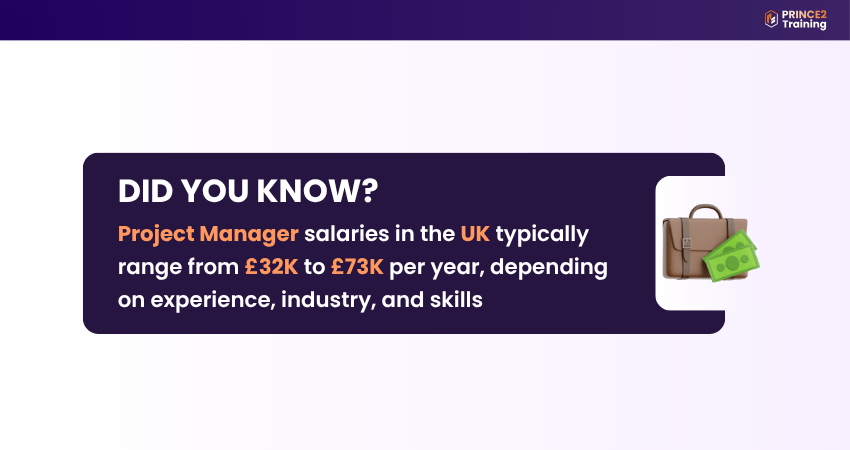
Project Managers earn higher salaries because they are responsible for project success and business outcomes. They manage budgets, risks and teams while aligning strategy with execution. Their specialised skills, experience, and certifications make them valuable across industries.