

 Back
Back


 Back to
topics
Back to
topics




Table of Contents
 21-May-2025
Author-Veronica Davis
Every successful project has a backbone and that’s often the Assistant Project Manager. As the Project Manager’s trusted partner, they’re the ones ensuring timelines stay on track, teams stay aligned, and problems get solved before they escalate. It’s a role where communication, coordination, and leadership come together in perfect balance.
In this blog, we’ll unpack the full Assistant Project Manager Job Description, covering essential duties, core responsibilities, and the key skills employers are looking for. If you’re ready to take your next step in Project Management, this is where your journey begins. So, let’s dive in!
What is an Assistant Project Manager?
An Assistant Project Manager (APM) is a professional who supports a Project Manager in planning, executing, and monitoring projects to ensure they are completed on time and within budget. They help coordinate tasks, manage resources, track progress, and maintain accurate project documentation.
They act as the operational backbone of a project, handling administrative responsibilities, preparing reports, and ensuring communication flows effectively between team members and stakeholders. By supporting schedules, budgets, risk tracking, and quality standards, an Assistant Project Manager helps keep projects organised and aligned with objectives.

Assistant Project Manager Job Description
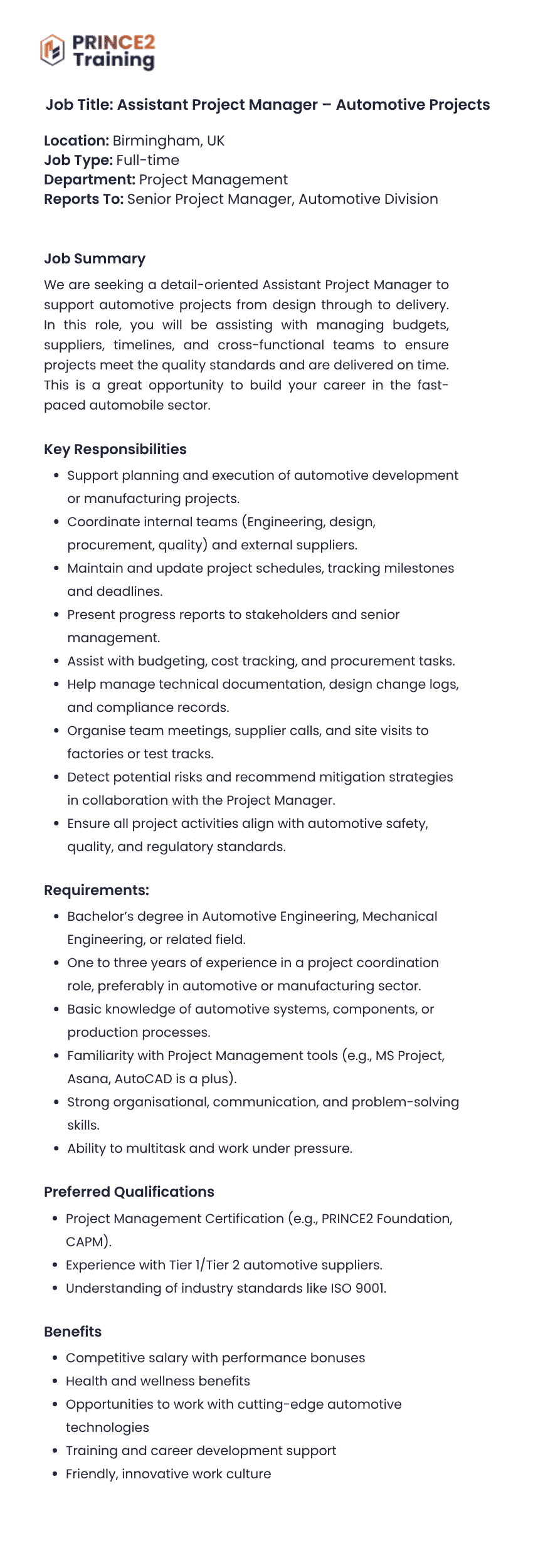
An Assistant Project Manager Job Description combines administrative support with practical involvement in day-to-day project operations. This role requires strong organisational skills, attention to detail, effective communication, and the ability to multitask in a fast-paced environment.
Here’s an example of the Assistant Project Manager Job Description you can consider whether you are applying for the job or hiring:
Assistant Project Manager Roles and Responsibilities
An Assistant Project Manager is important in helping projects run smoothly and successfully. The job involves a mix of technical skills and good communication. Here’s a simple breakdown of what they usually do:
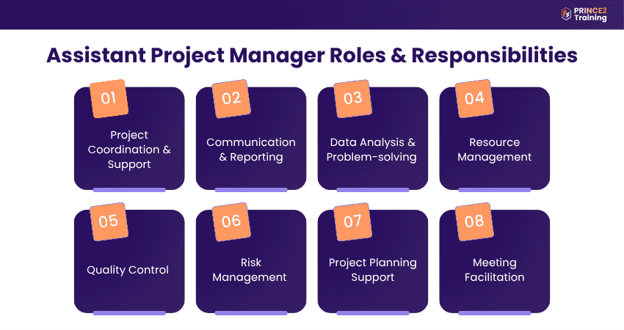
1) Project Coordination and Support:
They help manage tasks to ensure everything is done on time and also within budget. This means working closely with the team, stakeholders, and suppliers.
2) Communication and Reporting:
They regularly share updates with the team and stakeholders. They do this by preparing clear reports on progress, issues and goals.
3) Data Analysis and Problem-solving:
They analyse the project data to see what’s working and what’s not. This helps them solve problems and improve the results.
4) Resource Management:
They help their seniors in managing people, time and materials so that everything is used as efficiently as possible for the best outcomes.
5) Quality Control:
By monitoring and reviewing the results regularly, they consistently check if the work meets the required standards.
6) Risk Management:
They are tasked with spotting every possible problem early on. They must also come up with a plan to deal with them before they even affect the project.
7) Project Planning Support:
They assist with the planning by providing helpful input based on the project's progress and needs.
8) Meeting Facilitation:
Another one of their important responsibilities involves setting up and leading meetings. They ensure they are focused, and everyone knows what to do next.
Deliver projects with structure and precision with
PRINCE2® Practitioner Training
– Register today!
Skills Required to Succeed as an Assistant Project Manager
To be fit for an Assistant Project Manager Job Description, you must inculcate a good mix of skills that help you manage tasks and work smoothly with others. Here are some key ones:
1) Strong Organisational Skills:
Since you may have to handle more than one project at a time, organisational skills are much desired. This includes effectively managing timelines, budgets, and plans.
2) Clear Communication:
You’ll often work with different types of teams and suppliers. This makes sharing information clearly and professionally very important.
3) Leadership Ability:
You must motivate and guide your team, assign tasks properly and keep everyone focused on the main goals.
4) Knowledge of Project Tools:
Using tools like Project Management software or Microsoft Office can help you handle tasks better.
5) Problem-solving Skills:
It’s important to spot issues early on in the process and come up with quick and effective solutions to keep the project moving forward.
6) Flexibility:
Changes in projects can come without knocking. Being open to change helps you handle surprises and stay on track.
7) Attention to Detail:
You must be skilled at noticing the most minute details. This will help you avoid mistakes and make sure the project meets quality standards without faltering.
8) Time Management:
You must be skilled at managing your time and keeping the project on schedule. These skills help meet deadlines and avoid delays.
9) People Skills:
Good relationships with team members, clients and stakeholders help create a positive and productive work environment.
10) Conflict Handling:
When problems come up between people, it’s important to solve them calmly and fairly to keep the team working well together.
Assistant Project Manager Requirements and Qualifications
Here’s a summary of the essential requirements and qualifications for an Assistant Project Manager role:
Educational Requirements
1) Bachelor’s Degree:
A degree in Project Management, Business, or a related field is commonly preferred.
2) Associate Degree or High School Diploma:
Some roles may accept candidates with an associate degree or diploma, especially if paired with relevant work experience.
Experience Requirements
1) Project Coordination or Administrative Experience:
Most employers seek candidates with 2–5 years of experience in project coordination, administration, or junior Project Management roles.
2) Industry-specific Knowledge:
Having experience in the employer’s sector (e.g., construction, IT, or healthcare) can enhance your application.
Certifications (Optional but Beneficial)
1) Certified Associate in Project Management (CAPM):
An entry-level certification that demonstrates a solid foundation in Project Management principles.
2) Project Management Professional (PMP):
A globally recognised credential, suitable for candidates with more advanced experience.
3) PRINCE2 Certification:
Widely recognised in the UK and Europe, this certification focuses on structured, process-based Project Management.
Every great leadership starts with a strong foundation, and PRINCE2® is yours! Sign up for our
PRINCE2® Foundation Training
and lead projects with confidence!
Steps to Become an Assistant Project Manager
Becoming an Assistant Project Manager involves building the right mix of education, practical experience, and professional skills. While there is no single fixed path, following a structured approach can significantly improve your chances of entering and progressing in this role. Here is how you can prepare for an Assistant Project Manager Job Description:
1) Complete Your Degree
Start by earning a relevant degree in fields such as Project Management, Engineering, Business Management, or Information Technology (IT). A strong academic foundation helps you understand project lifecycles, budgeting, risk management, and organisational structures. While a degree is not always mandatory, many employers prefer candidates with formal education.
2) Gain Relevant Work Experience
Practical experience is essential for the Assistant Project Manager role. Entry-level roles such as Project Coordinator, Project Administrator, Team Assistant, or Operations Executive can help you understand real-world project environments. Working under experienced Project Managers allows you to learn how projects are planned, executed, and monitored.
3) Develop Key Professional Skills
Successful Assistant Project Managers need strong communication, organisational, and time management skills. You should also develop problem-solving abilities, attention to detail, teamwork, and basic financial understanding. Familiarity with Project Management tools such as MS Project, Jira, or Trello can give you a competitive advantage.
4) Pursue Certifications or Specialised Training
Professional certifications strengthen your credibility and demonstrate commitment to the field. Courses in Project Management such as CAPM or PRINCE2 can enhance your profile. Specialised training in Agile, Scrum, or industry-specific methodologies can also improve career prospects.
Salary of an Assistant Project Manager
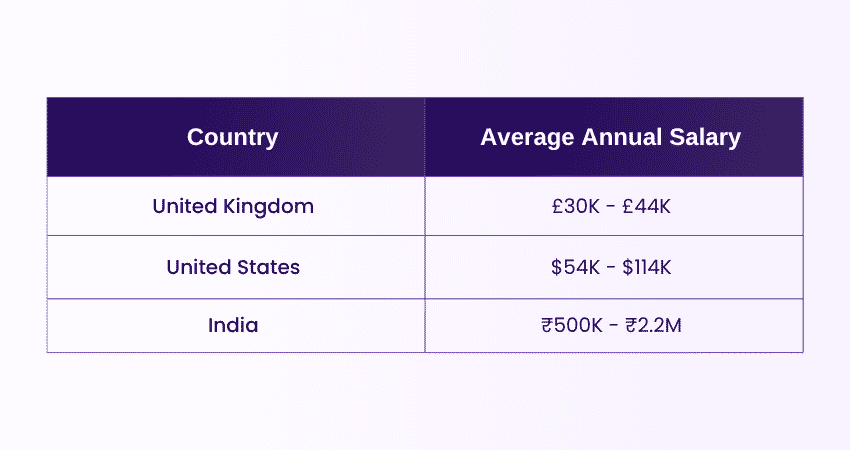
The salary of an Assistant Project Manager varies depending on several factors. Let's check the Assistant Project Manager Job Description salary based on different aspects:
1) Location
Location plays a significant role in determining salary. Here are the salaries of an Assistant Project Manager based on the location:
2) Industry
The industry you work in greatly influences earning potential. Assistant Project Managers in the construction, IT, engineering, and finance sectors generally command higher salaries compared to roles in smaller or less technical industries. High-value or complex projects often require specialised knowledge, which can increase compensation.
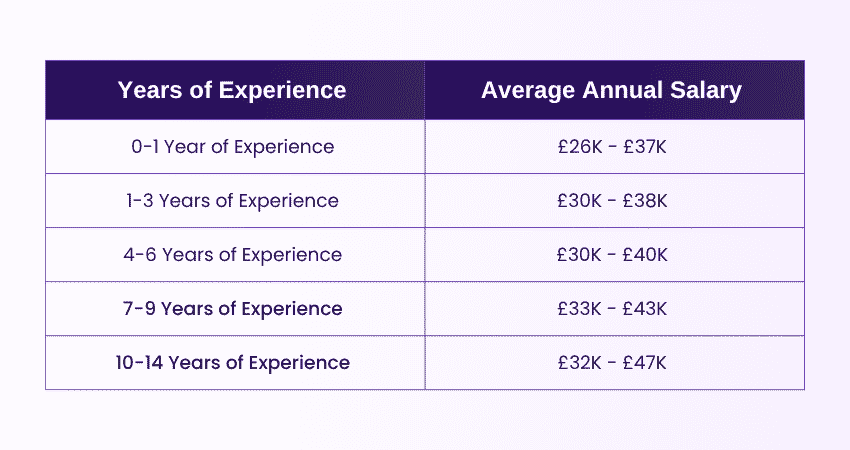
3) Education and Experience
Higher educational qualifications and relevant experience typically lead to better pay. Let’s check the salary of an Assistant Project Manager based on their experience level:
4) Certification
Professional certifications can positively impact salary prospects as they demonstrate expertise and commitment to professional development. Employers often value certified professionals, which can translate into higher compensation and faster career progression.
Key Factors Affecting Assistant Project Manager Salary
Several factors influence the salary of an Assistant Project Manager, with location and industry being two of the most significant. Professionals working in major cities or high-cost regions often earn higher salaries. Education, experience, and professional certifications also play a crucial role in determining earning potential.
This is because professionals with relevant degrees and several years of hands-on project experience are more likely to secure competitive pay. Even more, relevant certifications can further enhance credibility, demonstrating specialised knowledge, and increasing opportunities for salary growth and career advancement.
Conclusion
An Assistant Project Manager helps keep projects running smoothly by managing tasks, deadlines, and teamwork. They use strong organisational and communication skills to support the Project Manager and ensure everything stays on track. Knowing the Assistant Project Manager Job Description helps you understand how important this role is in ensuring projects are completed successfully.
Strengthen your ability to manage projects with the PRINCE2® Foundation and Practitioner Course – Sign up soon!
Frequently Asked Questions?
No FAQs available